
À mesure que la technologie de vente au détail progresse, la responsabilité devrait incomber de plus en plus à la technologie plutôt qu'au client. Au lieu d'attendre de chaque acheteur qu'il comprenne le fonctionnement d'un système de caisse automatique, les détaillants peuvent utiliser des solutions alimentées par l'IA telles qu'ELERA de Toshiba pour créer des expériences qui reconnaissent les produits, réduisent la saisie manuelle et s'adaptent à différents niveaux de familiarité technologique. La technologie de vente au détail la plus réussie est peut-être, en fin de compte, celle à laquelle les clients n'ont pas à penser.
When it comes to providing an exceptional shopping experience that exceeds customer expectations, retailers must recognize that not everyone has the same level of knowledge or understanding of modern technology. Different age groups can have different levels of comfort with digital tools, particularly when using self-checkout. What feels intuitive to one customer may feel unfamiliar or frustrating to another.
As a retailer, the goal should not be to teach customers how to use new technology or expect them to figure it out on their own. Instead, the technology should be intuitive and easy to understand, allowing customers to complete their purchases without unnecessary issues or discomfort. When technology is part of the customer experience, it should be designed to understand the customer, not make the customer understand the technology.
Traditional self-checkout can require customers to manually search for or select products, navigate multiple screens, or ask for assistance when an item isn’t recognized. These extra steps can create frustration and increase the time spent at the register. With Toshiba ELERA, AI-powered technology can help recognize products and understand customer interactions, reducing the need for manual input. This creates a simpler, more intuitive self-checkout experience that can work for customers across different generations.
AI is changing what customers can expect from self-checkout. Instead of requiring shoppers to tell the system exactly what they are purchasing, AI-powered technology can help identify products through visual recognition.
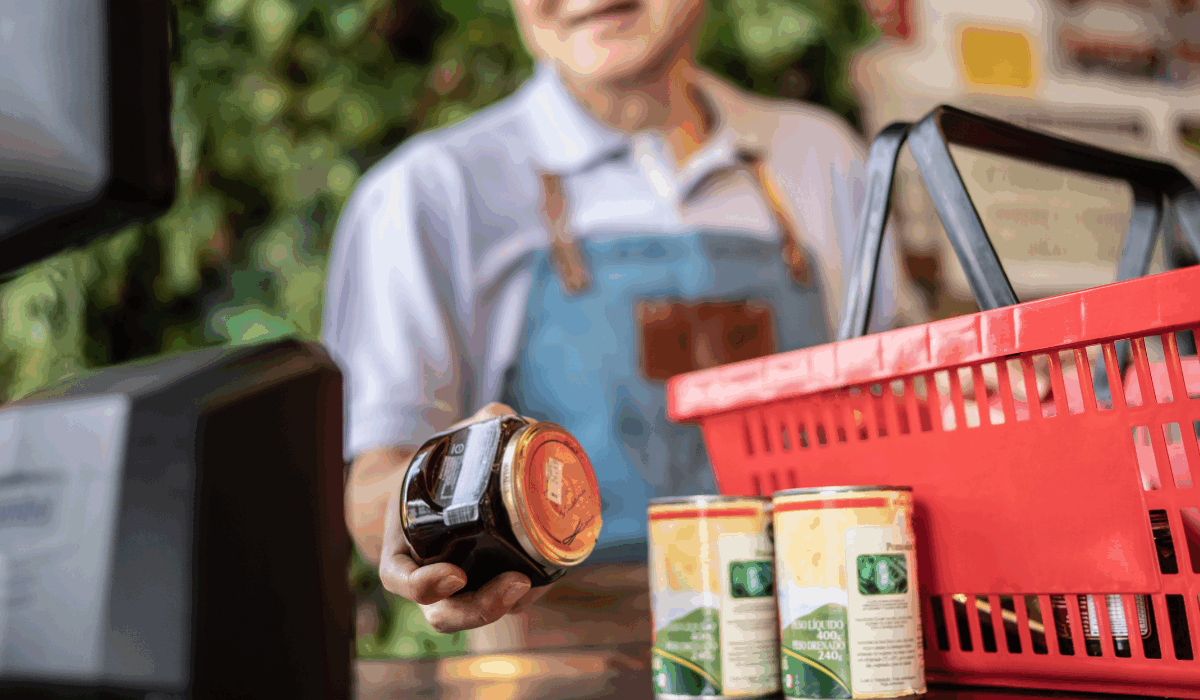
When a customer places a product at self-checkout, a camera can recognize what that product appears to be and help bring up the appropriate product information. This reduces the amount of manual input required and allows customers to interact more naturally with the checkout.
The number of recognizable items also matters. Expanding recognition capabilities from approximately 135 enrolled items to 500+ gives retailers the opportunity to support a broader range of products and create a more seamless experience.
For customers with different levels of technological comfort, this can make a meaningful difference. The less customers have to figure out, the easier the technology becomes to use. And when convenience becomes consistent, it can contribute to a more positive perception of the retailer.
The conversation around retail technology often focuses on adoption: How quickly can retailers introduce new technology, and how quickly can customers learn to use it, but perhaps the more important question is: How well can the technology adapt to the customer?
This is where AI represents a shift in the way retailers think about self-checkout. Rather than placing the responsibility entirely on the customer, intelligent technology can take on more of the recognition and decision-making process.
This approach can be particularly valuable in a multigenerational retail environment. A customer who is highly comfortable with digital technology can move quickly through the process, while someone who is less familiar with self-checkout can benefit from an experience that requires fewer manual steps. The goal is not to create different checkout experiences for different generations. It is to create one intuitive experience that works for more people.
AI-powered technology can offer retailers more than a faster checkout experience. It can also provide an additional layer of visibility by helping identify unusual or potentially fraudulent activity through product interactions and customer movements.
The technology can help validate whether the item entering the checkout corresponds with what is being recognized. For example, distinguishing between organic and non-organic products can help ensure the correct item is entered and reduce potential errors.
This added layer of intelligence can support employees without requiring them to manually monitor every transaction. With current performance reaching above 80% accuracy, less than 10% of activity identified as inaccurate, and another 10% representing opportunities for improvement, the technology demonstrates strong potential while continuing to learn and evolve.
Time spent at the register is an important part of the overall checkout experience. Technology should make that process easier by reducing unnecessary steps, rather than creating more for customers to navigate.
With AI-powered item recognition, products can be identified more quickly and intuitively, reducing the need for customers to manually search for or select items. This can help create a smoother checkout journey while reducing potential points of frustration.
By using data and customer behavior to understand where friction occurs, retailers can identify opportunities to further improve the experience. A faster and more intuitive checkout benefits everyone, from tech-savvy shoppers looking for efficiency to customers who may be less comfortable with self-service technology.
Bridging the technology gap does not only benefit customers. It can also change the role of employees within the store. When self-checkout technology can recognize products and help validate transactions, employees may spend less time resolving basic product-entry issues and more time providing a better customer assistance.
The purpose of automation should not be to remove the human element from retail. Instead, it should help remove repetitive friction so employees can focus on the interactions where human support adds the most value. For retailers, the combination of intuitive technology and human assistance can create a stronger experience on both sides of the checkout. Customers get a simpler journey, while employees have more opportunities to focus on service.