
- Industries
- Produits
- Services professionnels
- Ressources
- A propos de nous
- Nous contacter
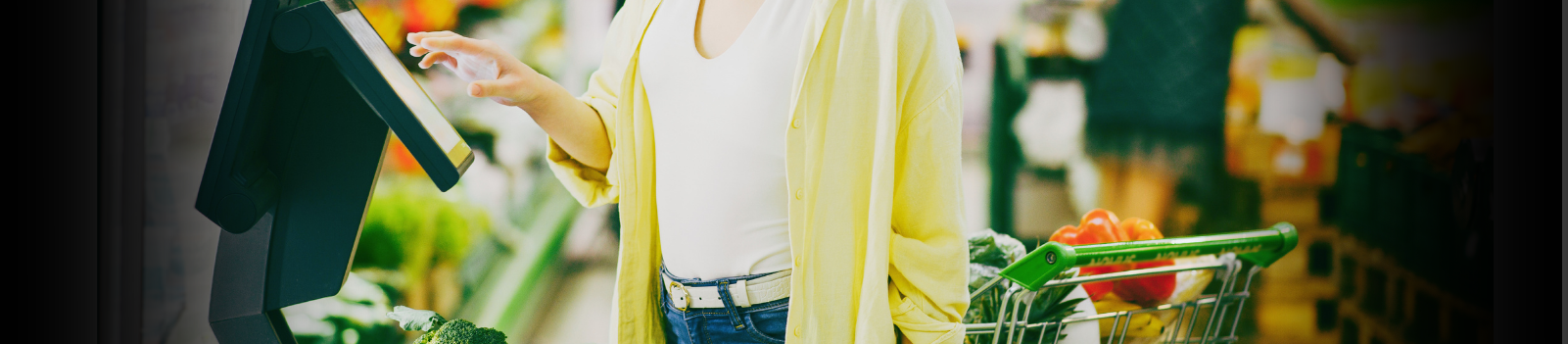
Les technologies basées sur l'IA permettent d'analyser en temps réel les images de vidéosurveillance, les interactions avec les produits, les déplacements et les opérations de caisse. Cela peut aider les commerçants à repérer plus rapidement les éventuelles anomalies, les comportements suspects et les erreurs humaines qu'avec la surveillance traditionnelle seule.
Les caméras de sécurité traditionnelles jouent un rôle important dans le commerce de détail, mais leurs capacités sont limitées lorsqu'elles servent principalement à enregistrer des événements déjà survenus. Il faut toujours quelqu'un pour visionner les images, repérer les activités inhabituelles et déterminer si un incident nécessite une intervention.
Cela devient de plus en plus difficile à mesure que les caisses en libre-service se généralisent. Les caisses libre-service offrent aux clients plus de flexibilité et peut aider les commerçants à améliorer l'efficacité du passage à la caisse, mais cela crée également des risques d'oubli de scan, de saisies incorrectes et d'autres formes de fraude à la caisse. Rien qu'en 2025, il a été rapporté qu'aux États-Unis seulement, environ 48 milliards de dollars ont été perdus à cause de la criminalité dans le commerce de détail.
Selon les prévisions, les vols et les fraudes ne feront que s'intensifier si aucune solution concrète n'est mise en œuvre. C'est là que le débat sur la prévention des vols doit évoluer. Les commerçants ne cherchent pas simplement à mieux voir, ils ont besoin d'une technologie qui leur permette de mieux comprendre.
L'ajout de caméras supplémentaires ne signifie pas nécessairement une meilleure visibilité. Lorsque les équipes doivent visionner des heures d'enregistrements, il est facile de passer à côté d'événements importants. L'IA change la donne en analysant en continu l'activité et en identifiant les tendances qui pourraient mériter une attention particulière.
L'approche d'ELERA peut débuter par une période d'observation en mode silencieux, permettant à la technologie de surveiller l'activité avant son déploiement complet. Au cours d’une période initiale de 30 à 60 jours, la plateforme examinera les tendances, les interactions avec les produits et l’activité des clients afin de mieux comprendre l’environnement. Cette période d’observation est importante car chaque magasin fonctionne différemment. Une fois ces tendances comprises, l’IA peut aider les détaillants à adopter une solution plus proactive. Au lieu de compter sur les employés pour surveiller chaque interaction, la technologie peut surveiller l’activité.
Si un client dépose une banane dans la zone de caisse en libre-service mais saisit un autre produit, au lieu de compter uniquement sur lui pour sélectionner le bon code produit, la vision par ordinateur basée sur l'IA peut analyser l'article et déterminer qu'il s'agit d'une banane.
La véritable valeur de la prévention des pertes basée sur l'IA réside dans sa capacité à relier en temps réel ce que la caméra filme à ce qui se passe dans le magasin. L'IA peut analyser des signaux tels que les mouvements, la manipulation d'objets, les interactions avec les produits et l'activité autour de la zone des caisses. Les systèmes de vision par ordinateur sont de plus en plus capables de reconnaître les gestes de détournement, d'identifier des objets et de comparer l'activité physique aux événements survenant aux caisses.
L'objectif n'est pas que la technologie prenne toutes les décisions de manière autonome. L'IA permet plutôt aux commerçants de disposer d'informations plus pertinentes au moment où cela compte, ce qui permet aux employés de concentrer leur attention là où cela est le plus nécessaire et aux commerçants de prendre des décisions plus éclairées en s'appuyant sur les données collectées.
La prévention des pertes ne représente toutefois qu'une partie des possibilités offertes par l'utilisation de la détection par IA dans vos magasins. La reconnaissance des produits grâce à l'IA peut également rendre l'expérience de caisse en libre-service plus rapide et plus simple.Les fruits et légumes en sont un bon exemple, car les clients doivent généralement identifier un article, puis saisir manuellement la référence correspondante ou effectuer une recherche dans une liste.
Grâce à la reconnaissance alimentée par l'IA, une caméra peut identifier le produit en fonction de ses caractéristiques visuelles et aider à le mettre en correspondance avec l'article approprié. Cela se traduit par une réduction des saisies manuelles, moins de risques d'erreurs de saisie et un moindre besoin d'intervention de la part des employés lorsque les clients ne savent pas quel code produit sélectionner.
Au fil du temps, ces petites améliorations peuvent avoir un impact opérationnel significatif. D'après les données d'ELERA concernant un grand distributeur alimentaire, l'utilisation de cette technologie a permis, dès les premiers mois, de réaliser un gain de temps de travail moyen d'environ 3,28 heures par jour.
Pour les clients, l'avantage est simple : cela facilite le passage à la caisse ; quant aux employés, cela leur permet de passer moins de temps à corriger les informations sur les produits ou à répondre aux questions répétitives à la caisse.
L'un des principaux avantages d'une approche basée sur l'IA réside dans le fait que les commerçants n'ont pas besoin d'abandonner les processus qu'ils ont déjà mis en place. L'IA peut fonctionner en parallèle des caméras existantes, des systèmes de point de vente, des technologies de caisse libre-service et des équipes chargées de la prévention des pertes. Plutôt que de créer un nouveau système isolé, l'objectif est de relier l'activité existante du magasin à des données intelligentes et à des informations exploitables.
Cela peut aider les commerçants à mieux comprendre ce qui se passe dans l'ensemble de leurs activités, du comportement des clients en caisse aux interactions avec la clientèle et l'activité liée aux produits. Il en résulte une approche plus flexible de la gestion commerciale. Les employés peuvent ainsi consacrer moins de temps à l'analyse manuelle des données et davantage à la mise en œuvre des mesures basées sur des informations déjà analysées.
Les pertes d'inventaire ne sont pas uniquement dues au vol. Elles peuvent également résulter d'erreurs, de saisies inexactes concernant les produits, de fautes administratives et d'autres problèmes opérationnels. L'intelligence artificielle peut aider les détaillants à remédier à certaines de ces pertes évitables en identifiant plus tôt les écarts.
Aux caisses libre-service, la reconnaissance des produits peut contribuer à réduire les erreurs de saisie concernant les fruits et légumes. Parallèlement, la vision par ordinateur permet de détecter d'éventuelles incohérences entre les articles que le client prend en main et ceux enregistrés dans la transaction. La réduction de ces erreurs a un impact direct à la connection de la profitabilité.. Chaque perte évitée permet de préserver davantage la valeur déjà générée par le magasin.
Cela présente également un avantage en termes de main-d'œuvre : comme les employés ne sont plus obligés de corriger sans cesse des erreurs évitables ni de surveiller manuellement chaque transaction en caisse, les commerçants peuvent exploiter leurs équipes de manière plus efficace.
Une plus grande précision, une meilleure visibilité et une répartition plus efficace de la main-d'œuvre peuvent, à terme, contribuer à offrir une expérience client plus harmonieuse. Lorsque les produits, les prix et les transactions sont présentés avec précision, les clients peuvent parcourir le magasin en toute confiance.
ELERA peut fonctionner en mode d'observation silencieuse avant son déploiement complet, ce qui permet au système d'analyser l'activité propre à chaque magasin et d'identifier des tendances. Une période d'observation de 30 à 60 jours peut aider les commerçants à cerner l'activité normale et à optimiser la configuration de la technologie en fonction de leur environnement.
Oui. La reconnaissance des produits grâce à l'IA permet d'identifier automatiquement les articles, ce qui évite aux clients d'avoir à saisir manuellement les codes des produits. Cela permet d'accélérer les paiements à la caisse tout en réduisant les erreurs de saisie et le besoin d'aide de la part du personnel.
Les données en temps réel permettent aux commerçants de réagir aux problèmes potentiels dès qu'ils surviennent, plutôt que de les découvrir plus tard lors des inventaires ou de l'analyse manuelle des enregistrements vidéo. Cela peut aider les commerçants à réduire les pertes évitables et à prendre plus rapidement des décisions opérationnelles.