
New York’s proposed legislation could restrict ESLs for grocery retailers and pharmacies.
The bills target surveillance pricing but may impact retailers using ESLs for standard pricing operations.
Grocery pricing automation helps improve efficiency, reduce labor, and maintain pricing accuracy.
Retailers should review their exposure and prepare for potential compliance requirements.
ESL technology can still provide value through inventory management, fulfillment, customer information, and operational workflows.
Yes. While pricing-related uses may face restrictions in certain retail environments, ESL technology can still support inventory management, fulfillment operations, customer information displays and other scalable digital store initiatives that improve efficiency.
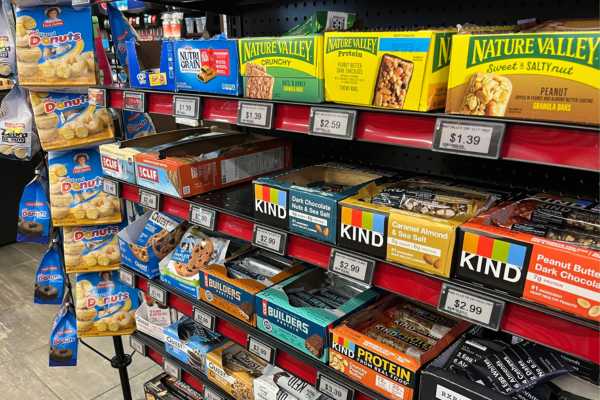
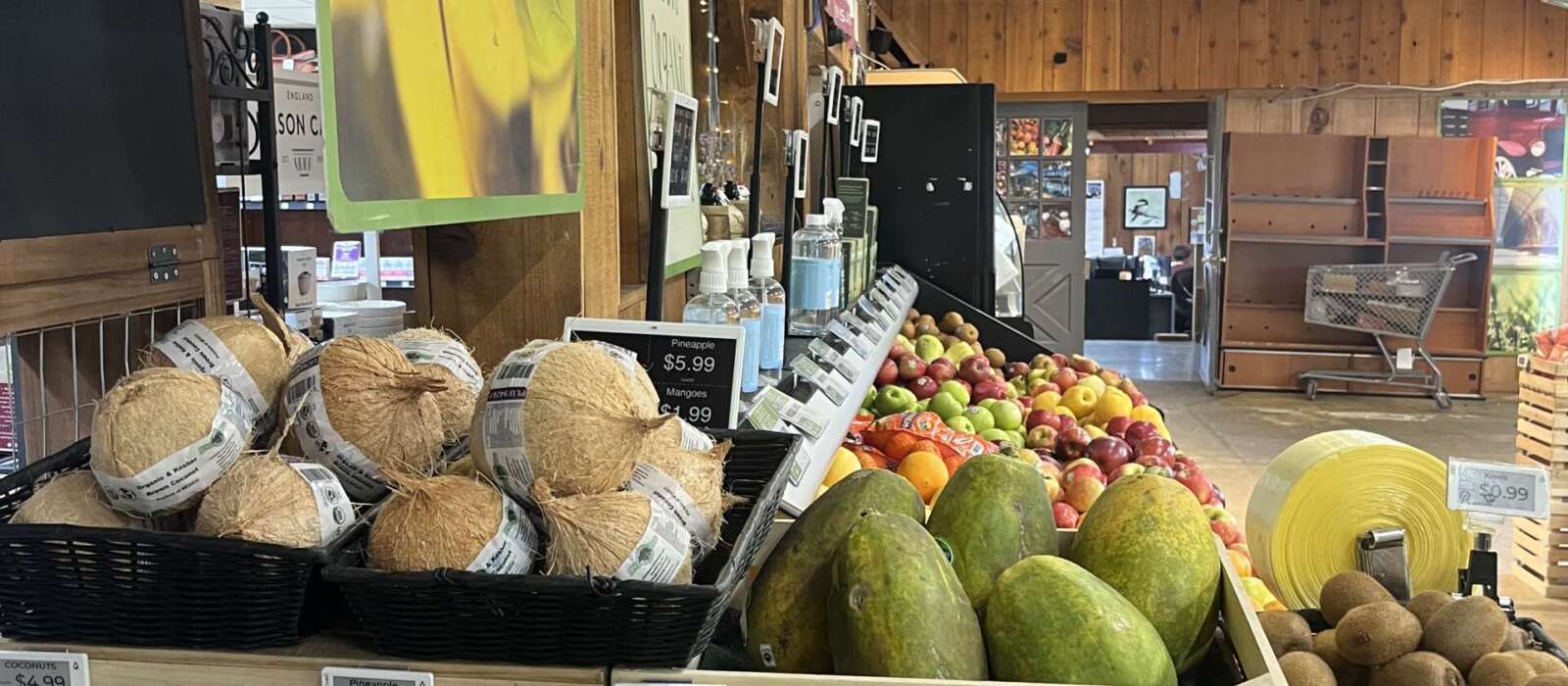
Electronic shelf labels (ESLs) for grocery retailers have been viewed as a proven way to improve pricing accuracy, increase store efficiency, and reduce manual labor. Across the US and Canada, grocery operators have invested in étiquettes numériques pour étagères and grocery pricing automation to create a more connected and efficient retail environment.
However, recent legislative developments in New York State could change how some retailers use ESL technology moving forward. Bills NY S.8616B and NY A.9396B, known as the Protecting Consumers and Jobs from Discriminatory Pricing Act, would prohibit the use of electronic shelf labels, digital shelf display technology, and surveillance pricing in certain food and drug retail establishments. While the legislation is still progressing through the approval process, it could cause upcoming challenges for grocery retailers.
Le proposed legislation is designed to address concerns surrounding surveillance pricing. Lawmakers argue that retailers should not be able to use consumer data, shopping habits, or other personal information to create individualized pricing.
Under related legislation known as the One Fair Price Act, retailers would be prohibited from using personal data to determine what price a specific shopper sees for a product. The concern surrounding ESLs for grocery stores is that electronic pricing technology could theoretically enable more frequent price changes and support dynamic pricing strategies. The current legislation goes beyond surveillance pricing. As drafted currently (June 2026), the bill would restrict the use of electronic shelf labels in covered retail locations regardless of whether the retailer uses the technology for individualized pricing or simply for standard pricing updates.
Many grocery operators adopted ESL technology because of how ESLs reduce labor in grocery environments. Traditional paper labels require employees to print, organize, distribute, and replace thousands of tags throughout the store whenever prices change. This process consumes valuable labor hours and increases the risk of pricing errors.
A modern ESL system allows retailers to:
If the legislation moves forward as currently written, covered retailers could lose access to many of these operational benefits.
The legislation creates two categories of covered businesses. Food retail establishments include stores larger than 10,000 square feet that primarily sell food for off-site consumption. Stores larger than 85,000 square feet may also be covered if at least 10 percent of their sales floor is dedicated to food merchandise.
The legislation also applies to pharmacies and drug retailers selling prescription and non-prescription medications alongside general merchandise. If a location qualifies, the restriction applies to the entire store, not just specific departments.
For many retailers, the biggest concern is not the technology itself but the operational impact. Today’s grocery pricing automation systems help retailers manage thousands of price changes efficiently. When pricing data is updated through a centralized software platform, changes can be deployed instantly across the store.
Without ESL technology, retailers may face increased labor costs, slower pricing updates, additional printing expenses, greater risk of pricing discrepancies, and reduced store efficiency. As operating costs continue to rise, losing access to automation tools could create additional challenges for retailers already managing tight margins.
If restrictions are implemented, ESL technology may still provide value through alternative applications and still allow you to be an Un épicier agile. Digital tags can display sourcing information, nutritional details, freshness indicators, and sustainability messaging.
ESL systems can also support backroom inventory management and stock replenishment processes, helping associates locate products faster and improve operational efficiency.
For retailers operating a modern yet digital grocery store, these applications demonstrate that ESL technology remains a scalable solution even if regulations reshape how pricing functions are used.
The conversation surrounding ESLs for grocery retailers is changing. What began as a discussion about pricing automation and store efficiency is now part of a broader debate around consumer privacy, pricing transparency, and retail innovation.
While New York’s proposed legislation could create new challenges for grocery retailers, it does not eliminate the value of ESL technology. Digital shelf labels continue to offer operational benefits across inventory management, fulfillment, customer engagement, and store operations.
As regulations evolve, successful retailers will be the ones that adapt, rethink how technology is deployed, and continue finding innovative ways to improve efficiency while maintaining compliance. For many grocery operators, ESLs remain an important part of the future digital store, even if that future looks different from what was originally expected.