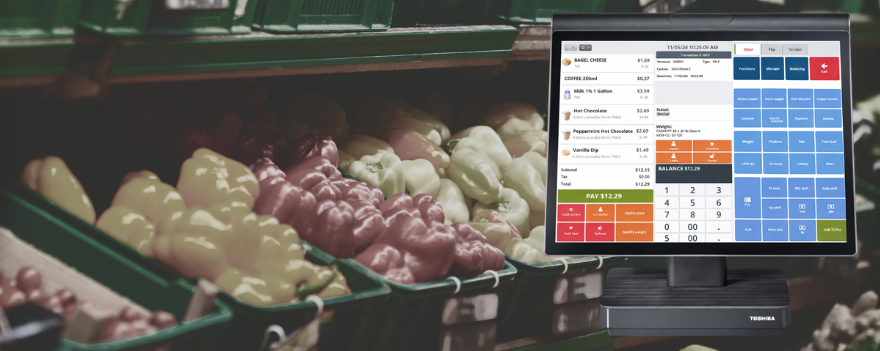


Des technologies telles que la visibilité des stocks en temps réel, les commandes automatisées et les systèmes modernes de point de vente aident les épiciers à rationaliser leurs opérations et à réduire le travail manuel.
Le commerce alimentaire a toujours évolué à un rythme accéléré, mais aujourd’hui, les clients et les opérations exigent plus que de la simple rapidité : ils exigent de l’agilité. Les épiceries doivent gérer des marges de plus en plus serrées, une pénurie de main-d’œuvre persistante, les fluctuations de la chaîne d’approvisionnement et des attentes des consommateurs en constante évolution. Parallèlement, la concurrence s’intensifie de la part des grandes chaînes, des magasins discount et des plateformes de vente en ligne de produits alimentaires.
Pour rester compétitifs, les épiciers doivent pouvoir s'adapter rapidement à l'évolution de la demande, aux pressions tarifaires et aux défis opérationnels. Cette capacité à pivoter, à ajuster et à optimiser les opérations en temps réel est ce qui définit l'épicier agile.
Un Un épicier agile est celui qui peut répondre rapidement aux défis opérationnels et aux besoins des clients. Au lieu de s'appuyer sur des processus manuels ou des systèmes obsolètes, les épiciers agiles tirent parti de la technologie, des données et de l'automatisation pour prendre des décisions plus intelligentes et rationaliser les opérations.
L'agilité dans le secteur de l'épicerie de détail se manifeste souvent par quelques clés de voûte :
Ils utilisent les données pour orienter les prix et les promotions, ce qui leur permet de rester compétitives sans sacrifier les marges. Ils équipent également les équipes des magasins d'outils qui réduisent le travail manuel et permettent au personnel de se concentrer sur le service à la clientèle et les performances du magasin.
En fin de compte, l'agilité permet aux épiciers de passer d'une gestion réactive à une gestion proactive. Plutôt que de se précipiter pour résoudre les problèmes une fois qu'ils se sont produits, les épiciers agiles identifient les tendances et les problèmes à un stade précoce et y répondent rapidement.
Les perturbations de la chaîne d'approvisionnement et la fluctuation de la demande peuvent rapidement entraîner des ruptures de stock ou des excédents. inventaire. Sans une visibilité précise des niveaux et des mouvements de stocks, les magasins peuvent avoir du mal à maintenir le bon équilibre.
Qu'il s'agisse de produits avariés, d'erreurs de prix ou d'écarts d'inventaire, la démarque inconnue est une préoccupation constante qui nécessite un meilleur suivi et une gestion plus intelligente.
De nombreux épiciers travaillent avec des équipes réduites, ce qui rend l'efficacité plus importante que jamais. Les associés et les gérants des magasins ont besoin d'outils qui les aident à accomplir plus avec moins de temps et moins de ressources.
Les clients s'attendent à ce que les produits soient disponibles, à ce que le passage en caisse soit rapide et à ce que les prix soient exacts. Lorsque les magasins ne répondent pas à ces attentes, les clients peuvent facilement se tourner vers la concurrence.
Ces pressions font qu'il est de plus en plus difficile pour les épiciers de s'appuyer sur des processus manuels et des systèmes déconnectés. L'agilité exige une approche plus moderne, axée sur la technologie.
La technologie joue un rôle essentiel en aidant les épiciers à fonctionner plus efficacement et à réagir plus rapidement au changement. Avec les bons systèmes en place, les détaillants peuvent améliorer la visibilité, automatiser les tâches et prendre des décisions fondées sur des données qui favorisent le succès à long terme.
L'une des fonctionnalités les plus importantes est la visibilité des stocks en temps réel. Lorsque les épiciers ont une vision précise des niveaux de stock, ils peuvent réduire les ruptures de stock, éviter les commandes excessives et s'assurer que les rayons restent approvisionnés avec les articles les plus demandés.
Le réapprovisionnement automatisé est un autre outil puissant. Au lieu de s'appuyer sur des processus de commande manuels, les systèmes automatisés peuvent analyser les données historiques des ventes, les tendances saisonnières et les modèles de demande pour recommander les quantités à commander. Cela permet aux épiciers de maintenir des niveaux de stocks optimaux tout en réduisant le temps que les employés consacrent aux tâches administratives.
Enfin, la flexibilité des systèmes de points de vente et de magasins permet aux épiciers de s'adapter à l'évolution des méthodes de paiement, des exigences réglementaires et des préférences des clients. Les plates-formes de point de vente intégrées permettent d'accélérer le passage en caisse tout en fournissant des données opérationnelles précieuses pour la prise de décision.
L'agilité n'est pas seulement une question de systèmes et de logiciels ; il s'agit aussi de donner des moyens d'action aux personnes qui gèrent le magasin au quotidien.
Lorsque les employés sont accablés par des tâches manuelles, telles que le suivi des stocks ou la correction des problèmes de prix, ils ont moins de temps à consacrer aux clients. La technologie simplifie ces processus en donnant aux équipes des magasins les outils dont elles ont besoin pour travailler plus efficacement.
L'agilité opérationnelle a un impact direct sur l'expérience des consommateurs. Lorsque les épiciers peuvent répondre rapidement aux variations de la demande, les rayons restent approvisionnés avec les produits souhaités par les clients. Lorsque les systèmes de tarification sont précis et intégrés, les clients voient des prix cohérents entre les promotions et la caisse. Et lorsque la technologie du magasin permet un passage en caisse rapide et fiable, l'expérience d'achat globale s'en trouve améliorée.
En outre, la mise en place des bonnes solutions permet de soutenir les promotions, les programmes de fidélisation et les offres de produits locaux. Ces capacités aident les magasins à créer des expériences d'achat plus personnalisées et plus attrayantes, renforçant ainsi la fidélité des clients. Ces améliorations peuvent faire une différence significative dans la fidélisation des clients et l'augmentation du nombre d'achats.
Pour les épiciers qui cherchent à améliorer leur agilité, le processus commence souvent par évaluer les défis opérationnels actuels. L'identification des sources d'inefficacité peut révéler des possibilités d'amélioration. Par exemple, les systèmes qui unifient les stocks, les données des points de vente et les outils de reporting offrent la visibilité nécessaire pour prendre des décisions éclairées. En réduisant les tâches manuelles répétitives, les épiciers peuvent améliorer leur efficacité et libérer du temps précieux pour que les employés se concentrent sur des tâches à plus forte valeur ajoutée.
Le secteur de l'épicerie va continuer à faire face à de nouveaux défis, qu'il s'agisse de l'évolution des préférences des consommateurs, des pressions économiques ou des perturbations de la chaîne d'approvisionnement. Les épiciers qui s'appuient sur des systèmes rigides et des processus manuels auront de plus en plus de mal à suivre. L'agilité permet aux détaillants en alimentation de réagir rapidement, de fonctionner efficacement et d'offrir une meilleure expérience à leurs employés et à leurs clients.
En tirant parti des technologies modernes, des informations fondées sur des données, Grâce à la mise en place d'un système de gestion de la chaîne logistique et de flux de travail rationalisés, les épiciers peuvent renforcer leurs opérations et rester compétitifs sur le marché, ce qui leur assure un succès à long terme.