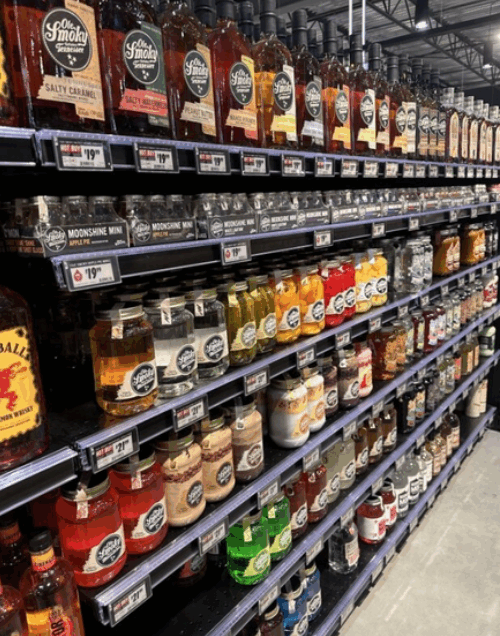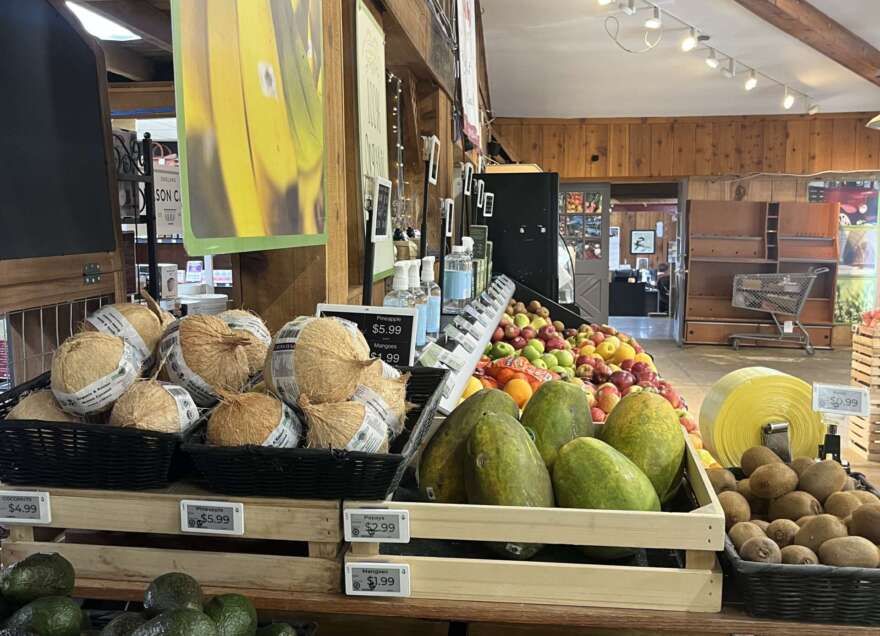

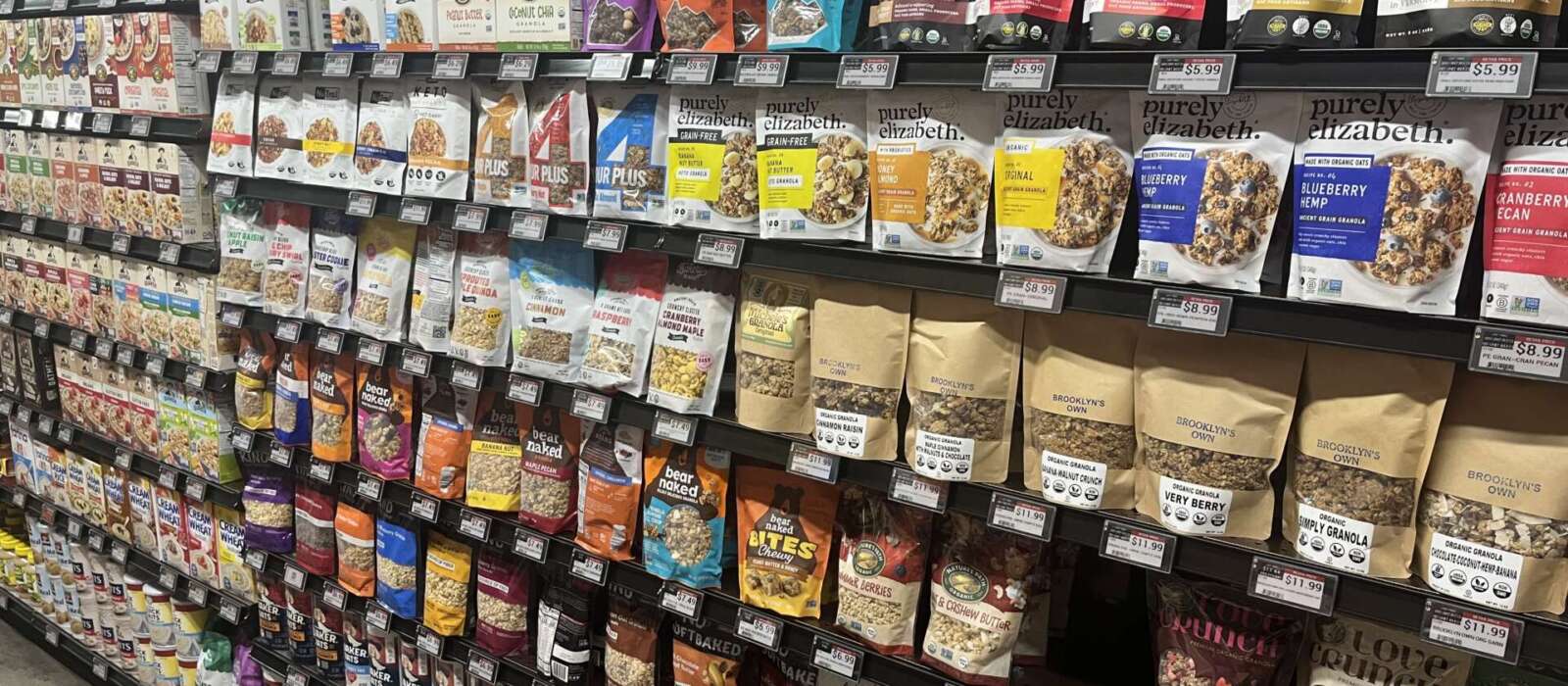
ESLs have evolved beyond simply replacing paper price tags. They provide real-time pricing control, improve operational efficiency, reduce labor costs, enhance pricing accuracy, and integrate with existing retail systems. As grocery retailers face increasing pricing complexity and competitive pressures, ESLs offer the agility and automation needed for daily operations and support long-term growth.
Today’s grocery retail environment is more competitive than ever, with labor shortages, increasing pricing complexity, and rising customer expectations putting pressure on store operations. Traditional paper pricing methods are struggling to keep up, requiring valuable employee time for tasks that could be automated.
As a result, Electronic Shelf Labels (ESLs) are evolving from a nice-to-have technology into an essential operational infrastructure. More than just a replacement for paper tags, ESLs enable real-time pricing control, improve pricing accuracy, and give grocers the agility needed to respond quickly to changing market conditions.
As grocery retailers grow, manual pricing becomes increasingly difficult to manage. Every price change requires employees to change into the system, print, stick, and replace shelf tags manually throughout the store. While this process may seem manageable on a small scale, many would be surprised at how time consuming this is and how it quickly becomes a significant operational burden for labor challenges.
Challenges include:
While many challenges can impact your long-term growth, the problem becomes even more complex when retailers must coordinate pricing across ecommerce platforms, loyalty pricing and in-store promotions. Manual pricing processes no longer support the speed and accuracy required in today’s market. Instead of being a simple administrative task, pricing has become a major operational bottleneck.
ESLs for grocery are digital shelf labels that allow retailers to manage pricing centrally and update product information instantly across the entire store that ultimately future proofs your store for improving daily operational tasks. Instead of relying on employees to manually replace paper tags, an ESL system connects shelf labels directly to a centralized pricing platform, giving retailers complete control over pricing from a single location.
This centralized approach enables grocery pricing automation, allowing price changes to be deployed in real time across thousands of products simultaneously. Through seamless integration with POS systems, inventory management platforms, and back-office software, electronic shelf labels ensure pricing remains consistent across every customer touchpoint. By eliminating manual updates, retailers can significantly reduce human error, improve pricing accuracy, and maintain compliance throughout the store. Electronic shelf labels also allow grocers to execute promotions faster, respond quickly to market changes, and create a more agile retail environment.
One of the most significant benefits of ESL technology is its ability to eliminate the repetitive and time-consuming task of manually replacing shelf tags. In a traditional grocery store, employees often spend hours printing, sorting, and installing new price labels across multiple departments. With electronic shelf labels, these updates can be completed automatically through a centralized system, that allows your business to save on labor costs.
By reducing the need for overnight and early-morning pricing preparation, grocers can significantly improve operational efficiency. With the many features electronic shelf labels provide, employees can spend more time focusing on other important store responsibilities. Price changes and promotion resets can be executed much faster, allowing employees to focus on activities that directly impact the customer experience and store performance. Rather than spending valuable time updating labels, staff can dedicate more attention to customer service, merchandising, inventory management, and fulfillment operations.
The grocery industry is facing unprecedented pricing volatility, with supplier costs changing rapidly and competitive pressures continuing to increase. In this industry, real-time pricing capabilities have become essential for retailers looking to remain agile and profitable. Electronic shelf labels enable grocers to react instantly to supplier cost fluctuations, adjust promotional pricing on demand, and maintain a competitive position in the market.
Fresh departments present an especially valuable opportunity for real-time pricing. With electronic shelf labels, retailers can implement targeted markdowns throughout the day to help reduce shrink and minimize food waste before items reach the end of their shelf life. As market conditions continue to evolve, many industry leaders now view electronic shelf labels as a strategic operational tool.
ESL solutions deliver the greatest value when integrated into a broader retail technology ecosystem.
Modern systems can connect with:
This integration creates a single source for accuracy. Whether a retailer operates one store or hundreds, centralized control improves consistency and visibility. Pricing updates can be deployed remotely across every location, helping retailers maintain brand standards while improving operational performance. Many leading electronic shelf label vendors continue expanding integration capabilities to support grocery operations.
While operational efficiency is a primary feature of electronic shelf labels, customer experience improvements are equally important. Accurate and consistent pricing helps build trust with shoppers. When shelf pricing matches checkout pricing, customer frustration decreases and disputes become less common.
Modern digital shelf labels also offer enhanced visibility and communication opportunities through, clear pricing displays, loyalty pricing visibility, product details, QR codes and sustainability messaging.
These capabilities create a more transparent shopping experience while helping stores communicate value more effectively. As digital signage technologies continue to evolve, ESLs have proven to become a key component of modern digital store environments.
Grocery retailers face growing pressure to improve efficiency while maintaining pricing accuracy and exceptional customer experiences. Labor shortages, inflation, supplier volatility, and increasing operational complexity are forcing businesses to rethink outdated processes.
ESLs for grocery retailers provide far more than electronic price tags. They deliver the agility, automation, accuracy, and centralized control needed to compete in today’s fast-moving market. By implementing digital shelf labels, grocers can streamline operations, reduce labor requirements, improve pricing consistency, and respond faster to changing market conditions.
As the industry continues to evolve, retailers that modernize pricing operations with ESL solutions will be better positioned for long-term growth, profitability, and operational excellence.