

OTC in grocery refers to over-the-counter health products such as pain relievers, cold and flu medications, vitamins, and first aid items that are sold alongside traditional grocery items.
Grocery retailers are constantly balancing tight margins, rising costs, and evolving customer expectations. Finding new ways to drive revenue without adding operational complexity is critical. One opportunity that continues to be overlooked is OTC benefit cards.
Millions of consumers walk into stores every day with pre-funded dollars specifically for over-the-counter health products. Yet many grocery stores still are not equipped to accept them. The result is a missed opportunity for both the customer and the retailer.
To understand the opportunity, it helps to define what OTC in grocery really means.
OTC, or over-the-counter, products in grocery stores include everyday health and wellness items such as pain relievers, cold and flu medications, allergy treatments, first aid supplies, and vitamins. These products have become an essential part of the modern grocery assortment as shoppers increasingly expect to handle health needs during a regular grocery trip.
This shift has made OTC availability in grocery stores more than a convenience. It is now a meaningful contributor to both customer experience and store profitability.
An OTC benefit card is typically provided through Medicare Advantage and other health plans. These cards are preloaded with funds that can only be used to purchase eligible OTC items.
For millions of consumers, especially seniors and those on fixed incomes, these cards are a critical tool for managing everyday health expenses. The expectation is simple. They should be able to use these benefits wherever those products are sold.
However, that is not always the case in grocery stores.
Even when grocery stores carry eligible OTC products, many are unable to support OTC benefit cards at checkout. In some cases, the cards are not accepted at all. In others, the system cannot accurately determine which items qualify.
This creates a frustrating experience. Transactions slow down, items are declined, and customers are left confused. In many cases, they abandon the purchase altogether and choose to shop elsewhere.
That lost sale does not simply disappear. It simply moves to a competitor that can support the transaction.
Accepting OTC benefit cards is not just about customer convenience. It is a clear revenue opportunity for the store.
These cards represent pre-funded spending that must be used within a set timeframe. When a grocery store accepts them, it captures revenue that might otherwise go to pharmacies or large retailers. It’s been reported that, currently, only about 30% of OTC allowances are actually used by eligible enrollees, meaning approximately $5 billion in OTC benefits go unclaimed annually. This is incremental business, not just a shift in existing spend.
Customers who come in to purchase OTC items rarely stop there. They are already in the store, which increases the likelihood that they will add groceries and household essentials to their trip. What begins as a targeted purchase often becomes a full basket.
Shoppers who rely on OTC benefit cards value consistency and ease of use. When a store allows them to complete their purchase without issues, it becomes a trusted destination. Over time, that trust translates into repeat visits and stronger long-term relationships.
While larger chains have invested in supporting OTC benefit cards, many independent and regional grocers still have gaps. Stores that close that gap position themselves as more accessible and more aligned with the needs of their communities.
The primary barrier is not demand. It is technology.
Many existing POS systems were not designed to handle the complexity of OTC benefit programs. The challenge is not just accepting the card, but accurately identifying which items are eligible and applying the benefit correctly during the transaction.
Without that capability, checkout becomes inconsistent. Cashiers may need to intervene, transactions may fail, and the overall experience suffers.
Modern POS systems are making it possible to close this gap.
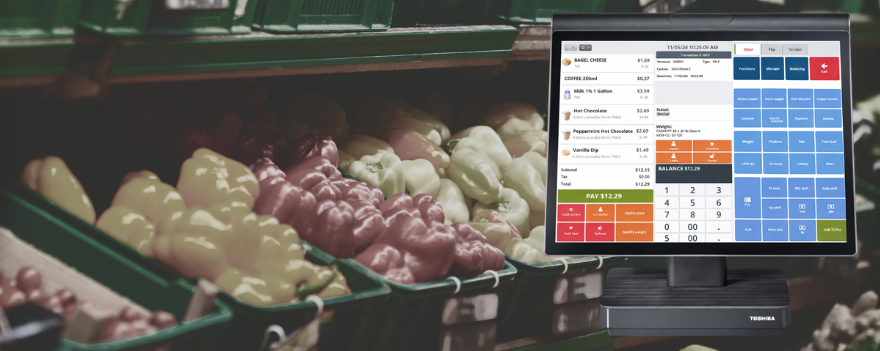
By integrating OTC benefit card functionality directly into the checkout process, stores can automatically recognize eligible items and apply the appropriate payment method. The system handles the complexity behind the scenes, allowing the transaction to move forward without interruption.
When implemented correctly, the experience is seamless. The customer shops as usual, presenting their OTC benefit card at checkout. The system applies it to the qualified items. Any remaining balance is handled through another payment method without confusion or delay.
This level of automation not only improves the customer experience but also reduces the burden on store staff. Improving transaction speed, accuracy, and ease of management.
OTC in grocery is continuing to grow as consumers look for easier ways to manage their healthcare needs. Grocery stores are uniquely positioned to meet this demand because they already serve as a frequent and trusted destination.
As expectations evolve, shoppers will expect to use their OTC benefit cards wherever they purchase eligible products. Stores that meet this expectation will be better positioned to capture new revenue and build stronger customer relationships.