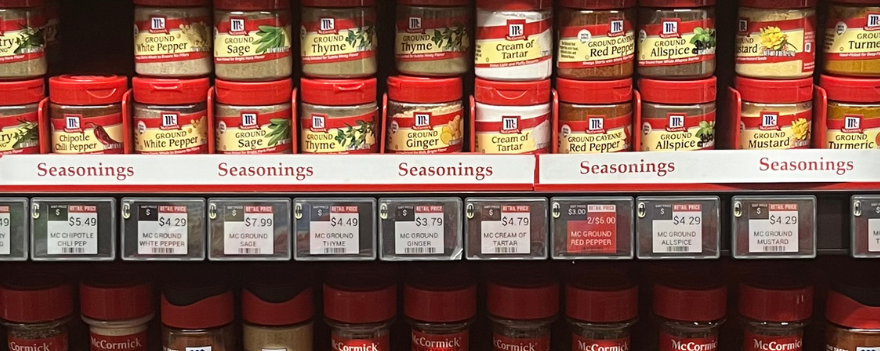

Instacart announced it is winding down its Caper Cart business after evaluating retailer adoption and the investment required to scale the technology. The company plans to focus more heavily on in-store intelligence and software, including smart price tags and computer vision.
Yes. DoorDash announced a definitive agreement to acquire Instacart on October 29, 2026, in a transaction valued at approximately $17 billion. The deal is subject to shareholder and regulatory approvals and has not yet closed.
The proposed acquisition combines DoorDash’s delivery network with Instacart’s grocery marketplace, retailer relationships, and fulfillment technology. It could create additional opportunities for ecommerce, delivery, retail media, and customer engagement. However, the long-term impact on retailers will become clearer as the transaction progresses.
Two major announcements from Instacart have given the industry plenty to think about. Instacart recently announced it is winding down its Caper Cart smart shopping cart business. Just days later, on October 29, DoorDash announced a definitive agreement to acquire Instacart in a deal valued at approximately $17 billion.
While these are separate business decisions, together they raise important questions about the future of grocery technology, the economics of in-store innovation, and how third-party marketplaces will compete in an increasingly consolidated ecommerce industry.
For grocery retailers balancing innovation, operational efficiency, and tight margins, there’s a bigger conversation here: Which technologies deliver lasting value, and how will the grocery shopping experience continue to evolve?
The concept behind Caper Carts was compelling. Smart shopping carts promised to streamline checkout, provide personalized promotions, track purchases, and create new opportunities for in-store engagement.
But the smart cart proposition is more complicated than simply putting a scanner on a shopping cart.
As Ravyx President, Farrell McKenna observes, smart carts effectively put a combined cart and register on wheels in the hands of the consumer. Beyond scanning, these systems may need to support weighing, loyalty totalizing, payment processing, and other transaction functions. That creates a significant layer of technology, maintenance, and ongoing support.
For retailers, the investment may have been too substantial relative to the specific pain point the technology was designed to solve.
Adoption challenges may also extend beyond cost and complexity. Retailers have legitimate concerns about shrink, and introducing a technology that shifts more transaction responsibility to shoppers can create additional operational considerations.
Instacart itself cited retailer adoption that had not scaled quickly enough to justify continued investment in Caper. The company said it was redirecting resources toward in-store technologies it believes can scale and deliver greater impact.
This is an important lesson in grocery store innovation: A technology can be impressive in theory, but its long-term viability depends on whether it solves a meaningful problem in a way that retailers can operationalize and support.
Smart carts are not the only path toward a more frictionless checkout experience.
Scan-and-go technology may offer a more practical alternative for some retailers. By letting shoppers scan items as they shop with a mobile device or dedicated handheld scanner, retailers can deliver similar convenience without the capital investment of equipping and maintaining an entire fleet of smart carts.
It is not without its own considerations, including shrink prevention, transaction controls, and integration with existing POS systems. But the lower equipment investment may make it a more accessible option for retailers exploring new checkout models.
The broader takeaway is not that smart carts or scan-and-go are universally better. It’s that retailers need options that align with their store format, shopper behavior, operational needs, and investment priorities.
The proposed DoorDash acquisition of Instacart is another significant development in grocery technology.
Ecommerce has become table stakes for retailers. Most grocers have already selected a platform that fits their business, and the competitive landscape has shifted. Retailers and their technology partners are now competing against major vertically integrated players such as Amazon, Walmart, Sam’s Club, and Costco.
These companies offer a unified consumer experience. Their apps are familiar and easy to use; they have extensive data about shopping behavior, and they are increasingly leveraging AI and other technologies to personalize the experience.
For third-party marketplaces, competing against that scale is a challenge.
McKenna notes, “Platforms may need to offer something distinct to remain competitive. The DoorDash-Instacart deal is particularly interesting because it brings together two major food-related markets: DoorDash’s established restaurant delivery business and Instacart’s grocery marketplace and retailer relationships”.
The combined opportunity is compelling. Creating a more comprehensive food-shopping experience and potentially strengthening the platforms’ ability to compete with the largest players in food retail.
But the opportunity goes beyond convenience for consumers. The companies have also positioned the deal around helping local stores reach more customers and compete with larger retailers. The key question is how effectively DoorDash and Instacart can bring their strengths together while continuing to support independent supermarkets and restaurants.
Taken together, these announcements point to a broader shift in grocery technology trends.
Retailers are navigating a landscape where customer expectations are rising, technology investments must demonstrate measurable value, and competition extends well beyond the physical store.
The future is not necessarily about adopting every new innovation. It’s about building a connected grocery technology ecosystem that supports the entire operation.
The strongest technology strategies are built around the unique needs of each retailer. The goal isn’t to adopt technology for technology’s sake. It’s to find the right combination of solutions that improve operations, supports growth, and creates a better experience for shoppers and store teams.
The grocery industry will continue to change and grow. The retailers best positioned for what’s next will be those who build on a strong, connected foundation while remaining open to new opportunities.