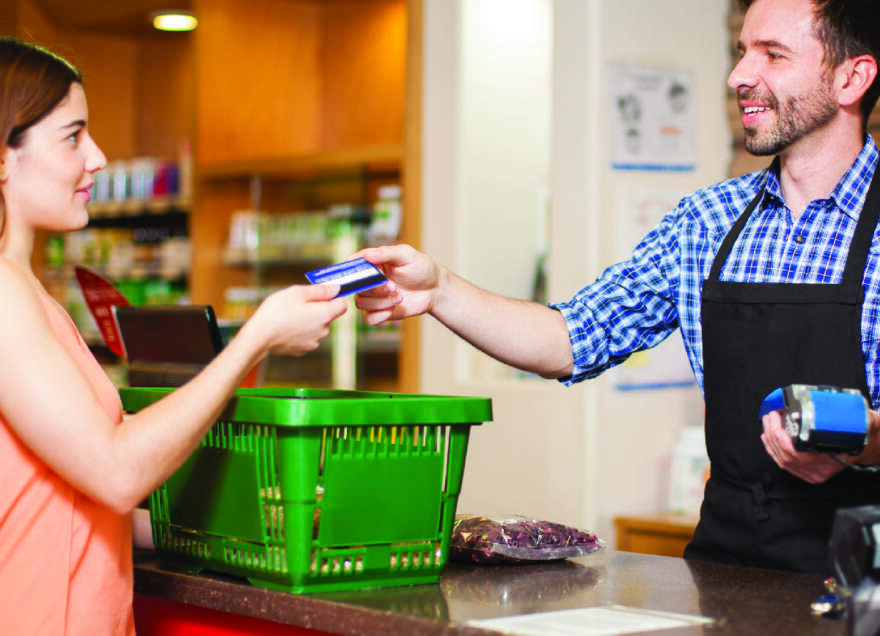


Grocery retailers should consider the needs of their local community, the mission of potential charitable partners, and the causes that matter most to their customers. Partnering with a trusted local organization can make the initiative more meaningful and encourage participation. Retailers should also communicate the results of the campaign to shoppers to build trust and demonstrate the impact of their contributions.
We have all visited a store where we were asked to make a small donation to support a good cause. These requests have become increasingly common, especially in grocery stores, which play an important role in the communities they serve. During the busy holiday season, when charitable giving is top of mind for many shoppers, opportunities to contribute at the checkout can make supporting local causes easier than ever.
For many people, finding the time to make larger donations or volunteer in their communities can be challenging. Community roundup programs offer a convenient alternative by allowing customers to round up their purchases to the nearest dollar and donate the difference to charity. Although each contribution may seem small, these spare cents can add up over time and make a meaningful difference for organizations that rely on community support.
For retailers, this approach creates a valuable opportunity to give back while strengthening relationships with customers. Supporting a charitable cause demonstrates a commitment to the community, encourages positive shopping experiences, and gives customers another reason to feel good about shopping at their local grocery store.
An important factor to consider as a retailer is all the advantages having a connected POS system with integrated roundup charity can do to your business for long-term growth. By simplifying the donation process, retailers can make charitable giving more accessible while improving checkout efficiency and building long-term customer loyalty.
Implementing a community roundup program can be a straightforward process when the right technology is in place. With support from Ravyx, grocers can integrate roundup functionality into their POS systems, giving customers the option to round up their purchase totals at checkout and contribute the difference to a charitable cause.
The process is designed to be simple for both customers and employees. With the appropriate functionality installed, cashiers can offer customers the option to round up their transactions through a dedicated button on the checkout screen. This makes it easy to introduce charitable giving without adding unnecessary steps to the payment process or significantly slowing down the checkout experience.
Behind the scenes, integrated technology also helps retailers manage and track donations more efficiently. The roundup function can connect contributions to a designated financial account or tracking category, allowing donation totals to be recorded and included in financial reporting. As a result, retailers can better understand how much has been collected over a specific period and maintain clearer records of the funds raised.
This becomes an easy way to track your total amount of roundup donations. With the right POS integration, grocers can make the process easier to manage while helping ensure that donations are tracked accurately.
An important information to take into considering beyond having an updated POS system is having connected tech stack. By having updated and connected systems, it allows grocers to get more value from their existing systems while creating opportunities to promote charitable initiatives throughout the shopping experience.
Modern checkout environments often include both an employee-facing screen and a customer-facing display. With the appropriate POS functionality, retailers can use customer-facing screens to promote their charity roundup campaigns directly at checkout or across other technology throughout the store to keep campaigns consistent across store locations, where applicable
These displays can feature images, promotional slides, videos, or short messages explaining the initiative. Retailers can highlight the selected charity, explain how donations will be used, and encourage shoppers to participate. This is particularly valuable during the holiday season, when customers may be more receptive to supporting community organizations because clear communication is essential to building trust.
Through multiple surveys over the last few years, studies show that community roundups have made more of an impact than asking for small contributions of a few dollars at the cash. Customers have expressed that they feel less pressured when asked to roundup a few cents to contribute to a charity rather than being asked for a certain dollar amount. Although this is all psychological, it is an important factor to keep in mind.
However, a positive checkout experience depends on making the donation process convenient and respectful, allowing customers to decide whether they would like to contribute without feeling pressured. Transparency also plays an important role in encouraging participation. When shoppers know which charity is receiving the funds and why the cause matters, they can better understand the impact of their contribution. For local grocery stores, supporting organizations that address community needs can create a stronger connection between the retailer and its customers. Customers who feel connected to a business and appreciate its community involvement may be more inclined to return. Although roundup programs alone cannot guarantee customer retention, they can complement a broader loyalty strategy.
From a past test done by Katie Kelting at a zoo, it has been shown that there was a 21% increase in the per transaction donation by implementing a roundup method instead of a dollar amount contribution, proving the point that the roundup method works better. Having roundup option builds loyalty in customer but also proves to increase transaction dollar amount.
For retailers, the potential return on investment also comes from operational improvements. An integrated roundup feature can reduce the need for manual donation tracking, simplify financial reporting, and make it easier for employees to process transactions. When checkout workflows are efficient, employees can spend less time managing additional steps and more time assisting customers.
The value of charity roundup integration extends beyond the money collected. It combines community involvement with practical technology that supports smoother operations, more convenient giving, and stronger customer relationships. While the exact financial return will depend on each retailer’s circumstances, the opportunity to streamline checkout processes and support meaningful causes makes roundup functionality a valuable addition to a modern retail technology strategy.